Is Your Medicine Cabinet a Safety Hazard? A Physician's Step-by-Step Guide to Auditing Your Medications
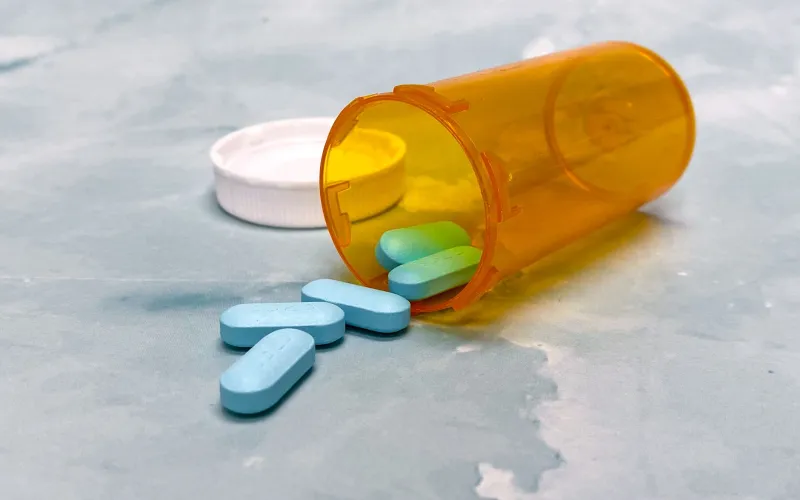
The Hidden Hazard Most Patients Overlook
Americans are, by nearly every measure, a heavily medicated society. The Centers for Disease Control and Prevention estimates that nearly half of all adults in the United States have used at least one prescription drug in the past 30 days, and the average older adult manages five or more concurrent medications. Add to that figure the substantial quantity of over-the-counter remedies, dietary supplements, and leftover prescriptions accumulated over months or years, and what emerges is a picture of considerable pharmaceutical clutter in the average home.
This clutter is not merely untidy. It carries real clinical consequences. Expired medications may be ineffective or chemically altered. Improperly stored drugs can degrade in ways that are not visible to the naked eye. Unlabeled bottles create dangerous opportunities for misidentification. And the presence of opioids, benzodiazepines, or other controlled substances in an unsecured household poses a documented risk of accidental ingestion by children and misuse by household members or visitors.
A periodic medication audit—ideally conducted at least once annually—is a straightforward, evidence-supported practice that every household should adopt. The following guide walks you through that process systematically.
Step 1: Gather Everything in One Place
Begin by collecting every medication, supplement, and topical preparation in your home and placing it on a clean, flat surface. This includes:
- Prescription medications, both current and discontinued
- Over-the-counter drugs such as antihistamines, antacids, pain relievers, and cold remedies
- Vitamins, minerals, and herbal supplements
- Eye drops, ear drops, and nasal sprays
- Topical creams, patches, and ointments
- Any injectable medications, including insulin or epinephrine auto-injectors
Do not overlook purses, travel bags, car glove compartments, or nightstands. Medications have a way of migrating throughout a household, and a comprehensive audit requires a complete inventory.
Step 2: Check Every Expiration Date
Expiration dates are not arbitrary. The Food and Drug Administration requires manufacturers to guarantee potency and stability only through the printed date, after which the chemical integrity of the drug can no longer be assured. For most medications, gradual degradation is the primary concern—an expired antibiotic, for example, may simply fail to achieve therapeutic levels, which is problematic enough. For certain drug classes, however, the stakes are higher.
Expired nitroglycerin tablets may fail to relieve an acute cardiac event. Degraded epinephrine in an auto-injector could prove dangerously inadequate during anaphylaxis. Tetracycline antibiotics, in particular, have been associated with a toxic degradation product, though this concern is less relevant with modern formulations.
The practical guidance is straightforward: discard any medication past its expiration date. There are no clinically justifiable reasons for the average patient to retain expired medications, and the risks—however small for any individual drug—accumulate when compounded across an entire household inventory.
Step 3: Assess Storage Conditions
The bathroom medicine cabinet is, despite its cultural ubiquity, among the least suitable locations for storing medications. Heat and humidity—both of which are abundant in a bathroom environment—accelerate the chemical degradation of many drugs. The same concern applies to medications stored near stoves, in direct sunlight, or in vehicles where temperatures can fluctuate dramatically.
Optimal storage conditions for most oral medications include a cool, dry location away from direct light. A bedroom dresser drawer, a dedicated shelf in a hall closet, or a locked box in a low-humidity area of the home are all preferable alternatives to the bathroom cabinet.
Specific storage requirements to keep in mind:
- Insulin and certain biologics require refrigeration within a defined temperature range. Insulin that has been exposed to freezing temperatures or excessive heat should be discarded, as crystallization and degradation can occur without visible changes to the solution.
- Liquid medications are particularly susceptible to contamination and degradation and should be stored according to label instructions.
- Patches and suppositories may melt or lose adhesive integrity if stored in warm environments.
- Medications labeled "protect from light" should remain in their original opaque containers.
If you are uncertain whether a medication has been compromised by improper storage, consult your pharmacist before continuing to use it.
Step 4: Identify Duplicate and Redundant Medications
Many households accumulate multiple products that serve the same pharmacological purpose—three different antihistamine formulations, two brands of ibuprofen, or overlapping sleep aids. Redundancy increases the risk of unintentional double-dosing and complicates medication management, particularly for older adults who may be managing multiple chronic conditions.
During your audit, consolidate to a single product for each intended purpose and discard or donate any unopened, unexpired duplicates through appropriate channels. If you are managing complex polypharmacy, consider scheduling a dedicated medication reconciliation appointment with your physician. Reviewing the complete list of everything you are taking—including supplements—in a single clinical encounter can identify dangerous interactions that may have gone unnoticed.
Step 5: Secure or Dispose of Controlled Substances
Prescription opioids, benzodiazepines, stimulants, and sleep medications warrant particular attention. The National Institute on Drug Abuse consistently identifies the diversion of household prescription medications as a significant contributor to misuse and overdose, particularly among adolescents.
If you have unused controlled substances that are no longer prescribed, disposal should be your priority. The Drug Enforcement Administration sponsors a national network of Drug Take Back collection sites, with drop-off locations available at many pharmacies and law enforcement agencies throughout the year. The DEA's website maintains an updated locator for authorized collection sites.
For medications that cannot be taken to a collection site promptly, the FDA recommends a specific home disposal method: mix the medication with an unpalatable substance such as coffee grounds or dirt, seal it in a bag or container, and discard it in household trash. Do not crush or dissolve medications before disposal, and do not flush medications unless the label or FDA guidance specifically authorizes it—only a limited list of drugs is approved for flushing due to the risk of water supply contamination.
Controlled substances that remain in the home should be stored in a locked container, not simply placed on a high shelf.
Step 6: Create and Maintain an Updated Medication List
The final—and perhaps most clinically valuable—step in a medication audit is the creation of a current, comprehensive medication list. This document should include the name of each medication, the prescribed dosage, the frequency of administration, the prescribing physician, and the condition being treated.
This list serves multiple critical functions. It enables any treating clinician—including emergency physicians who may not have access to your records—to make safe, informed prescribing decisions. It facilitates accurate medication reconciliation when you transition between care settings. And it empowers you to participate meaningfully in conversations about your own health.
Store a copy in your wallet or on your phone, share it with a trusted family member, and bring it to every medical appointment. Update it whenever a new medication is started, discontinued, or adjusted.
A Small Investment With Significant Returns
A thorough medication audit requires perhaps 45 minutes of your time and no specialized equipment. The return on that investment—reduced risk of accidental harm, improved medication efficacy, and a clearer picture of your pharmaceutical regimen—is substantial. If the process reveals questions about your current prescriptions, interactions you had not previously considered, or medications you are uncertain about continuing, those are exactly the conversations worth bringing to your next appointment.