Dr. Rachna Patel, MD Compassionate Care. Clinical Excellence.

Dr. Rachna Patel, MD

Compassionate Care. Clinical Excellence.

Latest Articles

The Prescription Conversation That Should Happen at the Pharmacy Counter—But Usually Doesn't
Allergy & Immunology

The Prescription Conversation That Should Happen at the Pharmacy Counter—But Usually Doesn't

Most patients accept a new prescription, fill it, and begin taking it without fully understanding what it does, what it interacts with, or what warning signs to monitor. The pharmacist standing across the counter possesses clinical expertise that is routinely left untapped. Knowing what to ask—and when to ask it—can be the difference between a medication that works and one that quietly causes harm.
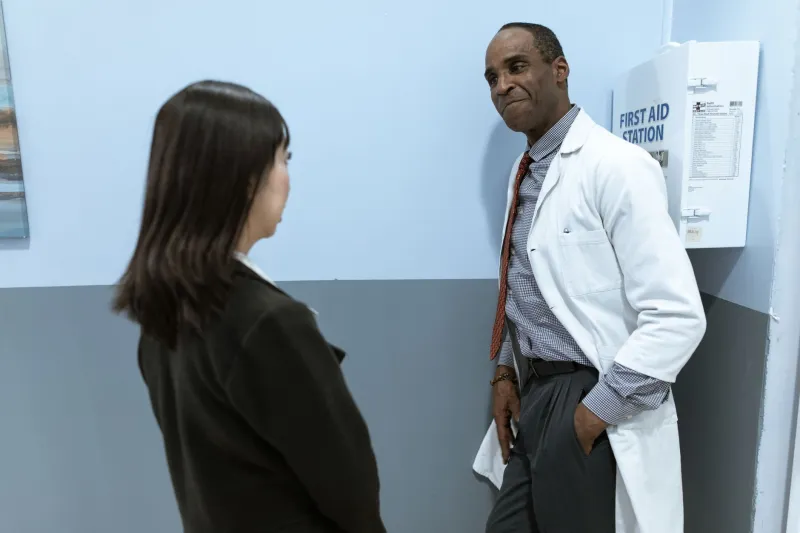

The Symptoms You Leave in the Waiting Room: Why Embarrassment Is a Medical Risk Factor
Preventive Care

The Symptoms You Leave in the Waiting Room: Why Embarrassment Is a Medical Risk Factor

Incontinence, sexual dysfunction, and digestive irregularities rank among the most clinically significant symptoms patients routinely conceal from their physicians. What feels too personal or trivial to mention in the exam room may, in fact, be the most diagnostically important thing your doctor never heard. Understanding why this happens—and how to overcome it—can genuinely change your health outcomes.

What Your Relatives' Medical Records Can Tell You About Your Own Future—If You're Willing to Look
Preventive Care

What Your Relatives' Medical Records Can Tell You About Your Own Future—If You're Willing to Look

A family history of heart disease, cancer, or diabetes is not a verdict—it is a clinical roadmap. Understanding how genetic predisposition actually functions in preventive medicine can transform a patient's relationship with hereditary risk, shifting the focus from fatalism to informed, proactive action. The information your relatives' diagnoses contain may be the most actionable health data you have never formally reviewed.

The Conversation No One Wants to Have: What Your Bowel Habits Are Telling Your Doctor About Your Overall Health
Preventive Care

The Conversation No One Wants to Have: What Your Bowel Habits Are Telling Your Doctor About Your Overall Health

Constipation is one of the most common complaints in clinical medicine, yet patients routinely omit it from their physician conversations out of embarrassment. What goes unspoken in the exam room can mask serious underlying conditions—from thyroid dysfunction to medication toxicity to early neurological disease. Understanding what your digestive patterns communicate is not a matter of comfort; it is a matter of clinical urgency.

The Annual Physical You Keep Postponing May Be the Most Important Appointment of Your Life
Preventive Care

The Annual Physical You Keep Postponing May Be the Most Important Appointment of Your Life

Patients postpone routine wellness visits for reasons that feel entirely reasonable—busy schedules, the absence of symptoms, the cost of time and money. But the clinical evidence for what a standard annual physical can detect—and how early that detection changes outcomes—makes postponement a decision worth examining with full information. This is a physician's honest account of what is found, and what is lost, when patients delay.

Why You Get Sick Every Winter—And Why the Season Itself Is Partly Responsible
Allergy & Immunology

Why You Get Sick Every Winter—And Why the Season Itself Is Partly Responsible

The uptick in illness every fall and winter is not simply a matter of bad luck or crowded indoor spaces. Seasonal shifts trigger measurable physiological changes—in immune surveillance, circadian rhythm, vitamin D metabolism, and inflammatory signaling—that leave the body genuinely more vulnerable. Understanding these mechanisms offers a clinical roadmap for preparation, not just reaction.

What You're Not Saying Is What I Need to Hear: The Hidden Symptoms Patients Keep from Their Doctors
Preventive Care

What You're Not Saying Is What I Need to Hear: The Hidden Symptoms Patients Keep from Their Doctors

A diagnosis is only as accurate as the information a physician receives—yet research consistently shows that patients routinely omit or minimize symptoms during appointments. Understanding why patients withhold critical health information, and how to overcome those barriers, may be one of the most important steps you take toward accurate diagnosis and effective treatment.

Feeling Fine Is Not a Reason to Skip Your Doctor: The Clinical Case for Preventive Care
Preventive Care

Feeling Fine Is Not a Reason to Skip Your Doctor: The Clinical Case for Preventive Care

Most patients walk through a physician's door only when something has already gone wrong—but by that point, the window for early intervention may have narrowed significantly. Understanding why routine medical visits matter even when you feel well is one of the most important shifts a patient can make in how they approach their own health. This article examines the psychology of preventive care avoidance, the clinical evidence behind routine screenings, and the practical steps you can take to mak

When 'No Prescription' Is the Right Prescription: The Clinical Truth About Antibiotics
Preventive Care

When 'No Prescription' Is the Right Prescription: The Clinical Truth About Antibiotics

When a physician declines to prescribe antibiotics, it can feel like a dismissal. In reality, it is often one of the most thoughtful clinical decisions a doctor can make. Understanding the reasoning behind antibiotic restraint empowers patients to trust the process—and to become active partners in protecting their own long-term health.

The Conversation Your Doctor Is Waiting for You to Start
Preventive Care

The Conversation Your Doctor Is Waiting for You to Start

Incontinence, sexual dysfunction, unusual odors, and other socially sensitive symptoms are among the most underreported—and clinically significant—health concerns physicians encounter. When patients withhold this information, even with the best intentions, it can delay diagnosis and complicate treatment. Learning how to bring these topics into the exam room may be one of the most important steps you take for your long-term health.

A Physician's Guide to Taking Charge of Your Health: Where to Begin
Preventive Care

A Physician's Guide to Taking Charge of Your Health: Where to Begin

Navigating your health can feel overwhelming, especially when you are unsure where to start. Dr. Rachna Patel offers a practical introduction to the resources, guidance, and clinical insights available to patients seeking to make informed decisions about their care. Whether you are managing a chronic condition or simply looking to stay well, this guide is your starting point.

Lost in Translation: Why What You Say in the Exam Room and What Your Doctor Hears Are Often Two Different Things
Preventive Care

Lost in Translation: Why What You Say in the Exam Room and What Your Doctor Hears Are Often Two Different Things

A patient says 'I've been feeling off.' A physician hears a vague complaint requiring clarification. That single exchange can set an entire diagnostic encounter off course. Understanding why medical communication breaks down—and how to prevent it—may be one of the most important steps you take for your health.

What Your Doctor Needs to Hear—Not What Google Told You to Say
Preventive Care

What Your Doctor Needs to Hear—Not What Google Told You to Say

Many patients arrive at appointments armed with a self-diagnosis rather than a clear account of their symptoms—and that distinction matters more than most people realize. Learning to communicate what you are actually experiencing, rather than what you believe it means, can meaningfully improve the quality of care you receive. This guide offers practical strategies for translating your concerns into the clinical language your physician needs.

You Took the Dose—But Was It the Right One? How Medication Misunderstandings Put Patients at Risk
Preventive Care

You Took the Dose—But Was It the Right One? How Medication Misunderstandings Put Patients at Risk

Most patients leave the pharmacy confident they know how to take their medication—yet research consistently shows that dosing misunderstandings are among the most common and preventable causes of medication harm. From confusing milligram-to-microgram conversions to ambiguous prescription labels, the gap between what a physician intends and what a patient actually takes can have serious consequences. Dr. Rachna Patel walks through the most frequent points of dosing miscommunication and the practi

When Thirst Is the Last Symptom: The Overlooked Role of Chronic Dehydration in Everyday Illness
Preventive Care

When Thirst Is the Last Symptom: The Overlooked Role of Chronic Dehydration in Everyday Illness

Brain fog, joint stiffness, and an irregular heartbeat may sound like the hallmarks of serious disease—but in many cases, the underlying cause is far more elementary than a complex diagnosis. Chronic mild dehydration is one of medicine's most underestimated contributors to vague, persistent symptoms, and it is routinely missed in clinical settings. Understanding how inadequate hydration affects virtually every system in the body is a critical step toward smarter, more preventive care.

Why Your Neighbor's Prescription Is None of Your Business—And Yours Isn't Theirs
Preventive Care

Why Your Neighbor's Prescription Is None of Your Business—And Yours Isn't Theirs

When a friend swears by a medication that changed their life, it's natural to wonder why your doctor hasn't prescribed the same thing. The answer lies in the remarkable complexity of personalized medicine—a discipline that treats you as a biological individual, not a demographic category.

Past the Expiration Date: What Your Medications Are Really Doing on That Shelf
Preventive Care

Past the Expiration Date: What Your Medications Are Really Doing on That Shelf

The date stamped on your prescription bottle may not mean what you think it does. Understanding the true science of drug stability—and knowing which medications genuinely become hazardous with age—can help you make safer, more informed decisions about what stays in your medicine cabinet and what needs to go.

When More Prescriptions Mean Less Clarity: Understanding the Risks of Polypharmacy
Preventive Care

When More Prescriptions Mean Less Clarity: Understanding the Risks of Polypharmacy

Taking multiple medications simultaneously is more common than most patients realize, and the consequences can be far more complex than any single prescription label suggests. In some cases, the very drugs meant to help may be concealing conditions that deserve direct attention. Dr. Rachna Patel examines how a thoughtful medication review can be one of the most important steps toward genuine health.

Does It Matter When You Take Your Medication? A Physician Explains Why Timing Is Everything
Preventive Care

Does It Matter When You Take Your Medication? A Physician Explains Why Timing Is Everything

Most patients focus on whether they've taken their medications—but far fewer consider when. The timing of your doses can meaningfully affect how well a drug works, how your body tolerates it, and whether it interacts safely with food or other prescriptions. Here's what the science says, and how to build a smarter medication schedule.

What's in Your Glass Could Change Everything: The Hidden Danger of Food and Drug Interactions
Preventive Care

What's in Your Glass Could Change Everything: The Hidden Danger of Food and Drug Interactions

Most patients carefully follow their prescription instructions, yet a surprising number of adverse drug reactions trace back not to dosage errors, but to something as ordinary as breakfast. Certain foods and beverages — grapefruit juice chief among them — can fundamentally alter how your body processes medication, sometimes with serious consequences. Understanding these interactions is one of the most overlooked aspects of medication safety.