The Conversation Your Doctor Is Waiting for You to Start
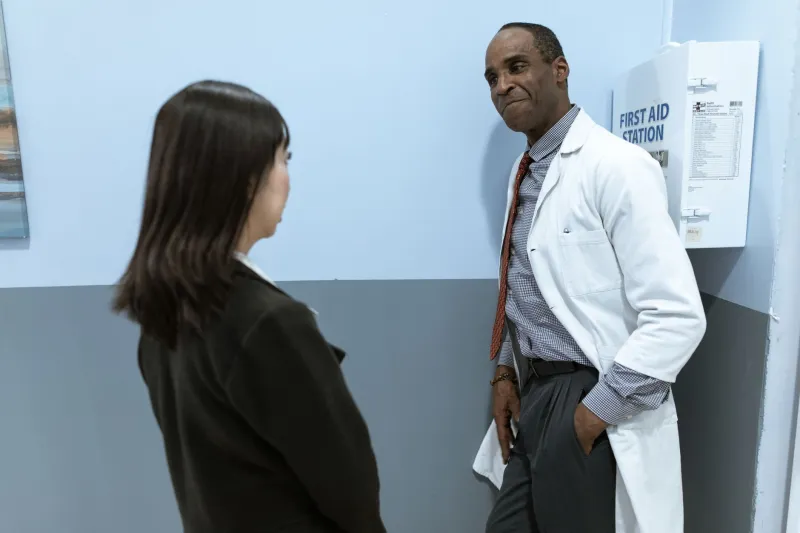
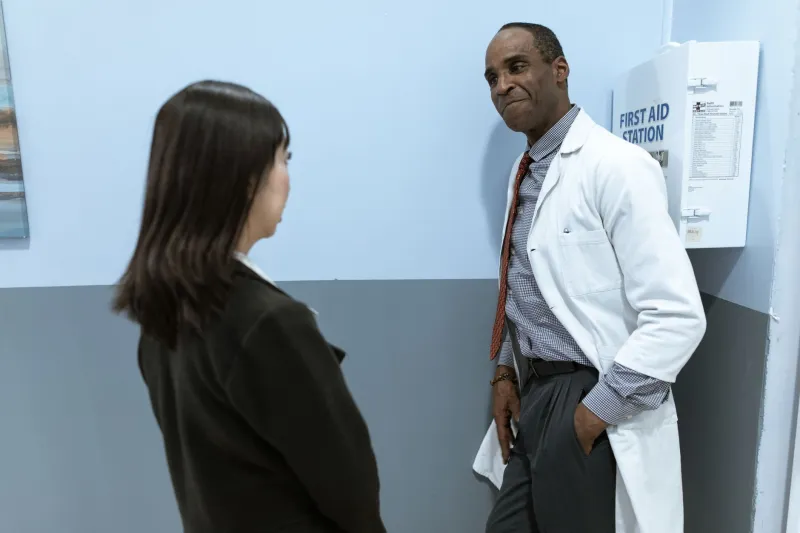
There is a particular kind of silence that settles into the exam room just before a patient decides not to say something. You have rehearsed the words on the drive over. You have even written them on a notepad at home. And then, when your physician looks up from the chart and asks, "Is there anything else?" you hear yourself say, "No, I think that covers it."
It does not cover it. And your doctor knows something is being left unsaid—even if they cannot name what it is.
This is not a failure of courage. It is a deeply human response to vulnerability. But in a clinical setting, the symptoms patients most often conceal are frequently the ones that matter most.
Why Patients Stay Silent—And Why It Costs Them
Research consistently shows that patients routinely withhold medically relevant information from their physicians. A 2018 study published in JAMA Network Open found that more than 60 percent of respondents had not disclosed something significant to their doctor, most commonly because they did not want to be judged, feared being lectured, or simply felt embarrassed.
The symptoms most frequently omitted follow a predictable pattern: urinary or bowel incontinence, erectile dysfunction, vaginal dryness or pain during intercourse, unusual body odors, rectal symptoms, excessive sweating, skin changes in private areas, and mental health struggles including suicidal ideation. These are not fringe concerns. They are common, treatable, and—when left unaddressed—capable of progressing into far more serious conditions.
Urinary incontinence, for instance, affects an estimated 25 to 45 percent of women in the United States, yet many go years without mentioning it to a physician. What begins as an inconvenient social problem can signal underlying pelvic floor dysfunction, neurological changes, or early signs of a condition requiring prompt attention. Similarly, erectile dysfunction is frequently the first clinical indicator of cardiovascular disease, appearing years before chest pain or other cardiac symptoms emerge.
When these symptoms go unreported, physicians are left to work with incomplete information. The result is not simply a missed conversation—it can be a missed diagnosis.
The Shame Is Understandable. The Silence Is Not Sustainable.
American culture maintains a complicated relationship with the body. We are simultaneously saturated with health messaging and deeply reluctant to discuss bodily functions in frank terms. Patients often arrive in the exam room carrying years of internalized messaging that certain topics are inappropriate, embarrassing, or indicative of personal failure.
Sexual dysfunction, in particular, carries a stigma that extends well beyond the exam room. Men may associate erectile difficulties with a loss of identity. Women may have been told, explicitly or implicitly, that pain during intercourse is simply something to be endured. Older adults of all genders frequently assume that incontinence or decreased libido are inevitable features of aging rather than symptoms warranting clinical evaluation.
They are not inevitable. And your physician will not be surprised, offended, or dismissive when you raise them.
Physicians are trained to receive exactly this kind of information. What surprises us is not the nature of the symptom—it is the realization that a patient has been managing something alone for months or years when effective interventions were available.
What Happens When Your Physician Doesn't Have the Full Picture
Medicine operates on pattern recognition. A physician synthesizes your reported symptoms, physical examination findings, and diagnostic data to identify what is most likely happening in your body. When a key piece of that pattern is missing, the entire picture shifts.
Consider a patient presenting with fatigue, mild depression, and weight changes. Treated in isolation, this constellation might point toward a mood disorder or thyroid dysfunction. But if that same patient is also experiencing low libido, night sweats, and sleep disruption—symptoms they have not mentioned—the clinical picture may more accurately reflect a hormonal imbalance requiring an entirely different approach.
The information you withhold does not disappear from your body. It simply goes unexamined.
Practical Language for Difficult Conversations
One of the most common reasons patients cite for not raising sensitive topics is not knowing how to begin. The words feel clinical and strange, or too casual, or somehow both at once. Here is a simple truth: your physician does not need you to arrive with polished medical terminology. They need you to arrive with honesty.
A few approaches that patients find helpful:
Lead with acknowledgment. "This is a little difficult to bring up, but I want to mention something that's been bothering me." Naming the discomfort takes some of the weight out of what follows.
Use descriptive, plain language. You do not need to know the anatomical term for what you are experiencing. "I've been having trouble controlling my bladder" or "Sex has become painful" communicates the essential information your physician needs.
Write it down first. Many patients find it easier to hand a written note to their physician or nurse at the start of the appointment. There is no clinical reason this cannot be a perfectly acceptable way to raise a concern.
Request privacy explicitly. If you are concerned about a family member in the room, or feel more comfortable with a same-gender provider, it is entirely appropriate to say so. Your comfort directly affects your willingness to communicate, and your willingness to communicate directly affects your care.
Anchor it to function, not feeling. If shame is the barrier, sometimes it helps to frame the symptom in practical terms: "This is affecting my sleep" or "It's interfering with my relationship" can feel less exposing than describing the symptom itself.
Your Physician Is Not Judging You
This point deserves to be stated plainly: physicians are not in the business of moral evaluation. When a patient discloses a sensitive symptom, the clinical mind moves immediately toward differential diagnosis, not judgment. What you interpret as an embarrassing admission, your physician receives as data—valuable, actionable, and necessary.
Furthermore, you are almost certainly not the first patient to raise this concern. Whatever you are hesitant to say, there is a high probability your physician has heard it before, has treated it before, and has helped someone else navigate it.
The exam room is one of the few spaces in American life specifically designed for this kind of candor. The confidentiality protections, the professional obligations, the clinical training—all of it exists to create an environment where difficult truths can be spoken without consequence.
The Standard of Care You Deserve Begins With Honesty
Clinical excellence is a partnership. A physician can offer expertise, attentiveness, and diagnostic rigor—but only with the information a patient provides. When that information is incomplete, even the most skilled clinician is working at a disadvantage.
You came to the appointment because something is wrong. You deserve care that addresses the full reality of what you are experiencing, not just the portion you felt safe enough to share.
Before your next visit, take a few minutes to consider whether there is anything you have been setting aside. Write it down. Bring the note. Hand it over at the start of the appointment if that feels easier than saying it aloud.
Your physician is waiting for the complete picture. And your health depends on providing it.