Lost in Translation: Why What You Say in the Exam Room and What Your Doctor Hears Are Often Two Different Things
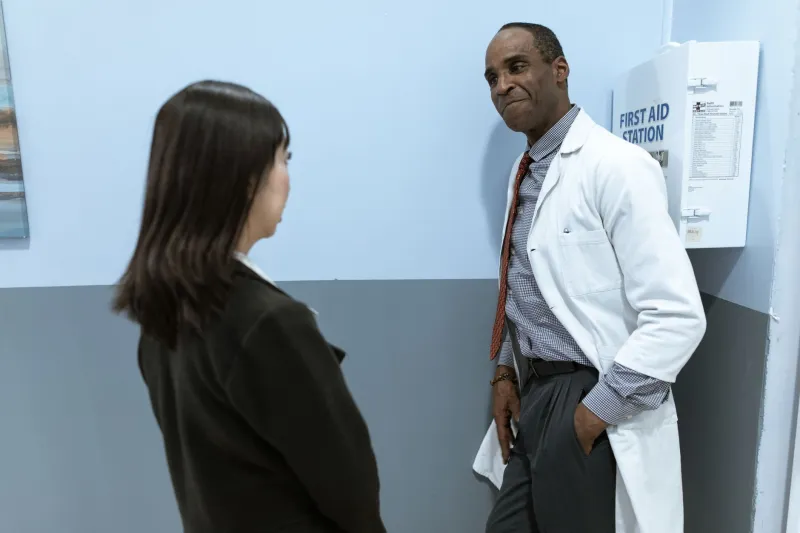
Medicine depends on language. Before a single test is ordered or a diagnosis considered, a physician must first understand what a patient is experiencing—and that understanding is built almost entirely on conversation. Yet the clinical encounter, brief and often pressured by time, is one of the most fertile environments for miscommunication in all of healthcare.
Patients arrive with lived experience. Physicians arrive with clinical frameworks. These two perspectives do not always map neatly onto each other, and when they fail to align, the consequences can range from unnecessary testing to missed diagnoses to delayed treatment.
This is not a matter of intelligence or effort on either side. It is a structural problem embedded in how medicine is practiced and how human beings naturally describe their own suffering.
The Language of Symptoms Is Not the Language of Medicine
Consider a common scenario. A patient comes in describing "pressure in my chest that gets worse when I'm stressed." To that patient, the word stress is doing a lot of work—it might mean work deadlines, a difficult relationship, or simply the anxiety of feeling unwell. To a clinician, the word stress in the context of chest pressure triggers an entirely different line of questioning: Does the pressure worsen with physical exertion? Does it radiate to the arm or jaw? Is it associated with shortness of breath?
The patient meant emotional stress. The physician heard potential cardiac stress. Neither is wrong, but if the clarification never happens, the diagnostic path taken may not be the right one.
This kind of semantic mismatch occurs constantly in clinical practice. Words like dizziness, fatigue, pain, and swelling carry vastly different meanings depending on who is using them. A patient describing dizziness may mean they feel lightheaded when standing up quickly—a phenomenon with a specific clinical name, orthostatic hypotension. Or they may mean the room appears to spin—a different condition entirely, with different causes and treatments. Without precise clarification, these two presentations can easily be conflated.
Why Patients Describe Symptoms the Way They Do
Most patients do not describe symptoms in isolation. They describe them wrapped in interpretation. "I think my back pain is from my mattress." "I've been getting these headaches because I'm not sleeping well." "My stomach has been off—probably something I ate."
This is natural and deeply human. We are meaning-making creatures. We experience a symptom and almost immediately begin constructing a narrative around it. The problem arises when that narrative—however logical it may seem—gets absorbed into the clinical conversation as fact rather than hypothesis.
A physician who accepts a patient's self-diagnosis too readily may anchor their thinking to an explanation that does not hold up under scrutiny. A patient who senses their explanation is being dismissed may stop volunteering important details. Both patterns lead to the same outcome: an incomplete clinical picture.
The Chronology Problem
One of the most common breakdowns in medical communication involves the order in which symptoms are reported. Patients frequently lead with what bothers them most rather than what came first. This is understandable—if your knee is swelling today, that is what demands your attention. But for a physician trying to construct a diagnostic timeline, knowing that you had a fever three days ago before the swelling began is potentially critical information.
Organizing your symptoms chronologically before an appointment is one of the most practical steps you can take to improve the quality of your clinical encounter. Consider writing down:
- When you first noticed something was different
- What changed over time—did symptoms worsen, shift location, or appear alongside new complaints?
- What makes symptoms better or worse
- Any recent changes in your medications, diet, activity level, or environment
This kind of structured reporting gives your physician the raw material needed to build an accurate clinical picture, rather than requiring them to reconstruct a timeline from fragmentary details.
When Your Doctor's Interpretation Doesn't Match Your Experience
Perhaps the most underutilized skill in the patient-physician relationship is the ability to respectfully push back when something doesn't feel right. If your physician offers an explanation that doesn't seem to account for what you're experiencing, you are not only permitted to say so—you are encouraged to.
Phrases that can open this dialogue without creating friction include:
- "That makes sense, but I want to make sure I described this correctly—what I'm feeling is more like..."
- "When you say [diagnosis or explanation], does that account for [specific symptom]? Because that part is what concerns me most."
- "I want to understand your thinking—can you walk me through how my symptoms led you to that conclusion?"
These are not challenges to a physician's expertise. They are invitations to collaborate, and most clinicians welcome them. Medicine is not a monologue. The most accurate diagnoses are typically reached through genuine dialogue.
Separating What You Feel From What You Think It Means
One of the most valuable habits a patient can develop is the ability to distinguish between observation and interpretation—to separate what is happening from why you believe it is happening.
When speaking with your physician, try to lead with the observation. "I wake up most mornings with stiffness in my hands that takes about an hour to resolve" is a clinical observation. "I think I might have arthritis" is an interpretation. Both pieces of information are useful, but they serve different purposes in a diagnostic conversation. The observation is data. The interpretation is a hypothesis—one that your physician may confirm, refine, or set aside entirely based on the full clinical picture.
Offering your interpretation is not wrong. Offering it instead of the underlying observation is where the communication gap widens.
The Role of Active Listening on Both Sides
It bears acknowledging that the burden of clear communication does not rest solely with patients. Physicians carry an equal responsibility to listen carefully, ask precise questions, and create an environment in which patients feel safe sharing information without fear of being rushed or dismissed.
If you have left appointments feeling unheard, it is worth reflecting on whether the issue was the content of what you shared, the way it was framed, or the clinical environment itself. Persistent miscommunication with a particular provider is worth addressing directly—or, when necessary, seeking care elsewhere.
A Final Word on Preparation
The fifteen minutes you spend in an exam room are far more productive when both parties arrive prepared. For patients, that preparation means organizing your symptoms clearly, separating your observations from your assumptions, and coming with specific questions written down.
Medical communication is a skill, and like any skill, it improves with deliberate practice. The goal is not to sound like a clinician. The goal is to give your physician the clearest possible window into your experience—so that the care you receive reflects what is actually happening, not what was lost in translation.