The Symptoms You Leave in the Waiting Room: Why Embarrassment Is a Medical Risk Factor
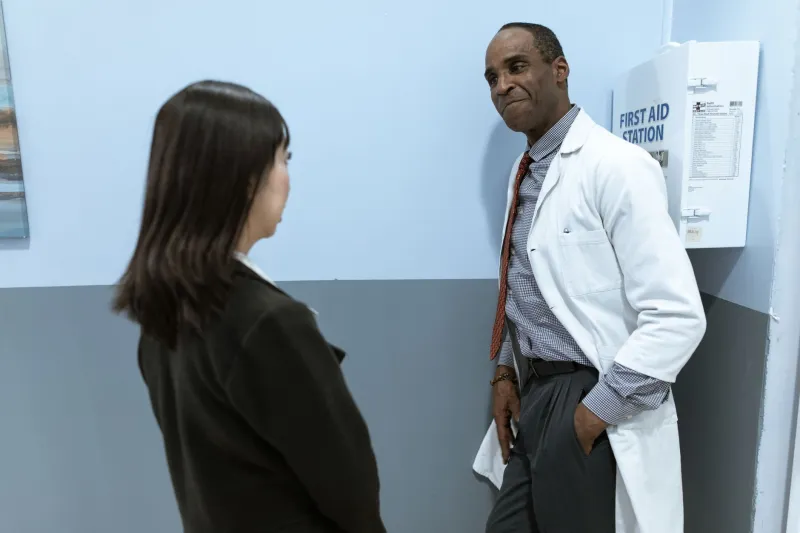
There is a particular kind of silence that settles in the exam room. A patient answers every question, describes their sleep, their diet, their stress levels—and then quietly omits the one detail that has been troubling them for months. The leaking that happens when they laugh too hard. The intimacy that has become painful or impossible. The bloating and unpredictable bowel changes they have learned to work around rather than address.
That silence has clinical consequences.
Embarrassment is not a minor social inconvenience in a medical context. It is a barrier to diagnosis. And in a healthcare system where conditions are caught early or caught late, the difference often comes down to what a patient was willing to say out loud.
Why Patients Stay Quiet
The reluctance to discuss certain symptoms is deeply human. American culture sends powerful, if unspoken, signals that bodily functions below the waist are private matters—not appropriate for polite conversation, and certainly not something to announce to a near-stranger in a clinical coat. Patients frequently describe a fear of being judged, dismissed, or made to feel foolish for raising concerns they assume are simply a normal part of aging.
But there is another layer to this. Many patients do not recognize that the symptom they find embarrassing is, in fact, a symptom at all. When something develops gradually, the body adjusts. What begins as occasional urinary urgency becomes a lifestyle accommodation. What starts as intermittent discomfort during intimacy becomes avoidance. The normalization of these experiences is part of what keeps them out of the clinical conversation.
Physicians carry some responsibility here as well. Rushed appointments, impersonal intake forms, and exam rooms that feel more transactional than relational do not create conditions in which patients feel safe volunteering sensitive information. If a doctor has not asked, a patient often assumes the topic is off the table.
What Stays Hidden and What It May Mean
Urinary incontinence affects an estimated one-third of women and a significant proportion of older men in the United States, yet surveys consistently show that fewer than half discuss it with a physician. Patients manage with pads, schedule their lives around bathroom access, and quietly withdraw from activities they enjoy—all without ever raising the issue clinically. This matters because incontinence is not simply an inconvenience. It can signal pelvic floor dysfunction, neurological changes, uncontrolled diabetes, or medication side effects, all of which are addressable with proper evaluation.
Sexual dysfunction—encompassing erectile dysfunction, painful intercourse, loss of libido, and difficulty with arousal—is among the most underreported categories of health concerns across all genders. In men, erectile dysfunction can be an early indicator of cardiovascular disease, sometimes appearing years before a cardiac event. In women, painful intercourse may reflect hormonal shifts, autoimmune conditions, or pelvic inflammatory disease. These are not peripheral concerns. They are clinical signals.
Gastrointestinal symptoms occupy a uniquely awkward social territory. Patients describe chronic gas, bloating, irregular stools, or rectal bleeding in vague, minimizing terms—if they mention them at all. Rectal bleeding, in particular, is frequently attributed to hemorrhoids and quietly dismissed. While that attribution is often correct, it is not always correct, and the difference is significant. Colorectal cancer remains one of the most preventable cancers when detected early, and early detection depends on patients reporting what they notice.
Mental health and cognitive concerns also fall into the category of symptoms patients hesitate to name. Persistent low mood, increasing forgetfulness, difficulty concentrating, and intrusive thoughts are often framed as personal failures rather than clinical presentations. They are not.
The Clinical Framework for Difficult Conversations
As a physician, I want to offer a straightforward reframe: there is no symptom you can describe that will surprise me, embarrass me, or cause me to think less of you as a patient. My role is not to evaluate your dignity. It is to evaluate your health.
If you are struggling to introduce a sensitive topic, a few practical approaches can help.
Write it down. Before your appointment, note the symptom on paper. You can hand the note to your physician or nurse, or simply use it as a prompt when you feel the words are difficult to say. Many of my patients find that writing removes the moment of social exposure that verbal disclosure creates.
Use clinical language if it helps. Framing a concern as a clinical observation—"I've been experiencing urinary leakage" rather than a personal confession—can create enough emotional distance to make the conversation accessible.
Start with context. "I've been hesitant to bring this up" is a complete and acceptable opening sentence. Physicians hear it regularly, and it immediately signals that something important is coming.
Ask directly if your doctor has questions for you. At the close of an appointment, a simple question—"Is there anything you'd typically ask a patient my age that we haven't covered?"—can open space for topics neither party has raised.
Nothing Is Too Small, Nothing Is Too Personal
The symptoms patients find most difficult to discuss are often the ones with the most treatable underlying causes. Pelvic floor physical therapy has transformed quality of life for patients who suffered in silence for years. Hormonal therapies, lifestyle modifications, and targeted medications have restored intimacy and function for patients who assumed nothing could be done. Timely colonoscopies have caught lesions that, left unaddressed, would not have remained benign.
Preventive care is not only about what your physician screens for on a checklist. It is about the full clinical picture—including the parts you find uncomfortable to share. That picture cannot be complete if significant pieces are left in the waiting room.
Your physician needs the whole story. Not the edited version. Not the version you've decided is too embarrassing to tell. The complete account of what your body has been doing and how it has been affecting your life.
That is the only version that allows us to help you.